Glow Up from Within: How My Simple Daily Habits Transformed My Skin
Ever feel like your skin just won’t cooperate no matter how many fancy creams you try? I’ve been there. After years of breakouts and dullness, I realized the real fix wasn’t in a jar—it was on my plate. What I ate started showing on my face, literally. This is the story of how small, science-backed food changes gave me clearer, brighter skin—naturally, sustainably, and without extreme rules. Welcome to real skincare, from the inside out.
The Skin-Food Connection: Why What You Eat Shows on Your Face
Skin is often seen as a surface issue, but in truth, it acts like a mirror reflecting what’s happening inside the body. When inflammation, hormonal imbalances, or nutrient shortages occur beneath the surface, the skin is usually the first to show signs. Redness, acne, dry patches, or premature aging can all point to internal factors that topical products alone cannot correct. Research has consistently shown that diet plays a central role in skin health. For example, a 2018 review published in the journal Nutrients highlighted how dietary patterns influence sebum production, oxidative stress, and the skin’s ability to repair itself.
One of the most powerful examples is the relationship between blood sugar and breakouts. Foods that cause rapid spikes in blood glucose—like white bread, pastries, or sugary drinks—trigger a surge in insulin. Elevated insulin levels can increase androgen hormones and growth factors that stimulate oil glands, leading to clogged pores and acne. This is why dermatologists often see clearer skin in patients who reduce their intake of high-glycemic foods. It’s not about perfection, but about understanding that every bite sends signals to your cells.
Similarly, a lack of essential nutrients can weaken the skin’s natural barrier. Deficiencies in vitamins A, C, and E, zinc, or omega-3 fatty acids may result in slower healing, increased sensitivity, or a dull complexion. The skin relies on these nutrients to produce collagen, fight free radicals, and maintain hydration. When your diet lacks variety or leans too heavily on processed ingredients, your complexion often pays the price. The good news? These imbalances can be corrected with thoughtful, consistent food choices.
Thinking of skin health as an inside-out process shifts the entire approach to beauty. Instead of layering on serums and hoping for change, you begin to ask different questions: What am I feeding my body? Is this meal supporting my skin’s renewal cycle? This mindset doesn’t reject skincare routines—it enhances them. When your body is nourished, even simple topical products can work more effectively. True radiance starts not with a new cleanser, but with a deeper understanding of how food fuels your largest organ.
Common Diet Mistakes That Sabotage Clear Skin (And I Made All of Them)
It’s easy to blame genetics or stress when skin acts up, but for many, the real culprit hides in daily eating habits. I used to reach for a muffin and latte every morning, snack on chips in the afternoon, and unwind with ice cream at night—classic comfort foods that felt harmless. But over time, my skin became oilier, more reactive, and prone to breakouts around my chin and jawline. It wasn’t until I examined my diet that I saw a clear pattern: every flare-up followed a day heavy in sugar, dairy, and refined carbs.
Sugar, especially in processed forms, is one of the most common triggers for acne. When you consume too much, your body releases insulin to manage blood sugar. This hormonal shift increases sebum production and encourages inflammation—both of which create the perfect environment for pimples. A study in the Journal of the American Academy of Dermatology found that participants who followed a low-glycemic diet experienced fewer breakouts and improved skin texture over just 12 weeks. That doesn’t mean you must eliminate all sweets, but reducing frequent sugar spikes can make a visible difference.
Dairy is another frequent offender, though the connection isn’t the same for everyone. Cow’s milk contains natural hormones and growth factors that may mimic human hormones and stimulate oil glands. Some research, including a 2018 meta-analysis in Advances in Nutrition, suggests a modest link between milk consumption and acne, particularly skim milk. I personally noticed fewer breakouts after switching to unsweetened almond or oat milk and cutting back on cheese. It wasn’t about cutting out dairy completely, but about observing how my body responded.
Processed snacks and fast foods are also problematic, not just because of their sugar and fat content, but because they lack the nutrients skin needs to repair and renew. Packaged cookies, frozen meals, and sugary cereals are often stripped of fiber, antioxidants, and healthy fats. Over time, relying on these foods can leave the skin looking tired and uneven. I used to think a vitamin supplement could make up for poor eating—but the truth is, whole foods deliver nutrients in a way pills simply can’t replicate. Recognizing these habits wasn’t about guilt; it was about gaining control. Each mistake I made was a clue, not a failure.
The Core Principles of a Skin-Friendly Diet: Balance, Not Perfection
After years of yo-yo dieting and skincare trends, I learned that lasting skin improvements come not from restriction, but from balance. A skin-friendly diet isn’t about eliminating entire food groups or following a rigid plan. It’s about building a foundation of whole, nutrient-dense foods that support your body’s natural processes. The goal isn’t a quick fix, but a sustainable way of eating that keeps your skin resilient over time.
One of the most important principles is prioritizing whole foods. This means choosing foods in their most natural state—vegetables, fruits, whole grains, legumes, nuts, seeds, and lean proteins. These foods are rich in vitamins, minerals, and phytonutrients that work together to reduce inflammation, support collagen production, and protect against environmental damage. For example, leafy greens like spinach and kale provide vitamin A, which helps regulate skin cell turnover, while sweet potatoes offer beta-carotene, a precursor to vitamin A that supports skin repair.
Hydration is another cornerstone. Water makes up a significant portion of the skin’s structure, and even mild dehydration can make fine lines more visible and the complexion appear dull. Drinking enough water throughout the day supports the skin’s elasticity and helps flush out toxins. While herbal teas and water-rich foods like cucumbers and watermelon contribute, plain water remains the most effective hydrator. I started carrying a reusable bottle and made it a habit to drink a glass first thing in the morning—small steps that added up.
Fiber is often overlooked in skincare discussions, yet it plays a crucial role in gut health, which is directly linked to skin clarity. A healthy gut microbiome helps regulate inflammation and ensures proper elimination of waste and excess hormones. When the gut is imbalanced, toxins may be reabsorbed and exit through the skin, contributing to breakouts. Including fiber-rich foods like oats, apples, lentils, and chia seeds supports digestion and, by extension, skin health.
Healthy fats are essential, too. The skin’s outer layer is made up of lipids that keep it soft and protected. Omega-3 fatty acids, found in fatty fish like salmon and in flaxseeds and walnuts, help maintain this barrier and reduce inflammation. I used to fear fats, thinking they would make my skin oilier, but the opposite happened. When I added more avocado, olive oil, and nuts to my meals, my skin became more balanced—less dry in some areas, less oily in others. It was a reminder that the body thrives on nourishment, not deprivation.
Foods That Fight Breakouts: Your Kitchen as a Skincare Toolkit
Your kitchen holds more power than any department store skincare aisle. Instead of chasing the latest serum, consider the healing potential of everyday ingredients already in your pantry. Certain foods have been studied for their ability to support clear, glowing skin—not because they’re exotic or expensive, but because they deliver key nutrients in a bioavailable form.
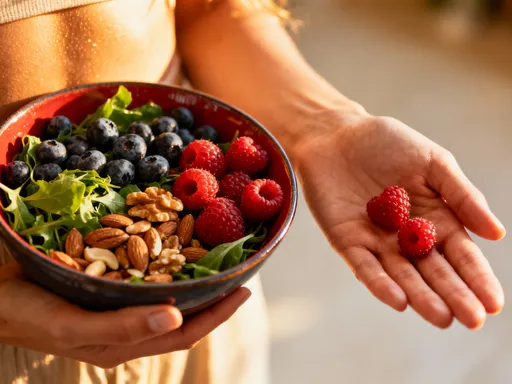
Berries, for instance, are packed with antioxidants like vitamin C and anthocyanins, which protect skin cells from oxidative stress caused by pollution and UV exposure. Vitamin C is also essential for collagen synthesis, helping the skin stay firm and supple. Adding a handful of blueberries or strawberries to breakfast or snacks is an easy way to boost intake. I started blending frozen berries into yogurt or oatmeal, and within weeks, my skin looked more even-toned.
Leafy greens like Swiss chard, collard greens, and arugula are rich in vitamin K, folate, and lutein, all of which support skin repair and protection. They also contain chlorophyll, which some studies suggest may have anti-inflammatory and wound-healing properties. I began adding a big handful to smoothies, sautéing them with garlic, or tossing them into soups and grain bowls. They’re low in calories but high in volume, making them satisfying and skin-supportive.
Nuts and seeds are another powerhouse group. Almonds provide vitamin E, a fat-soluble antioxidant that protects cell membranes from damage. Pumpkin seeds are an excellent source of zinc, a mineral that helps regulate oil production and supports immune function in the skin. Just a small portion—about a quarter cup—can make a difference. I keep a mix of raw almonds, walnuts, and sunflower seeds in my pantry for quick snacks.
Fatty fish like salmon, mackerel, and sardines are among the best sources of omega-3 fatty acids. These fats help calm inflammation, which is at the root of many skin concerns, including redness and acne. The American Heart Association recommends eating fatty fish at least twice a week for heart and overall health—benefits that extend to the skin. For those who don’t eat fish, algae-based supplements offer a plant-based source of DHA and EPA, the active forms of omega-3s.
Colorful vegetables—carrots, bell peppers, tomatoes, and beets—deliver a spectrum of phytonutrients. Lycopene in tomatoes, for example, has been associated with improved skin texture and UV protection. Cooking tomatoes with a little olive oil increases lycopene absorption. I started roasting mixed vegetables with herbs and olive oil for dinner, making meals both delicious and skin-nourishing. These foods aren’t miracle cures, but when eaten regularly, they create a foundation for lasting clarity and brightness.
Building Your First Skin-Boosting Meal Plan (No Meal Prep Required)
Starting a new way of eating doesn’t have to be overwhelming. You don’t need to spend hours in the kitchen or buy specialty ingredients. The key is simplicity and consistency. Here’s a realistic 3-day sample plan that focuses on balance, flavor, and ease—perfect for beginners who want to support their skin without stress.
Day one begins with a bowl of steel-cut oats topped with fresh berries, chia seeds, and a drizzle of almond butter. This breakfast combines complex carbs, fiber, antioxidants, and healthy fats to stabilize blood sugar and reduce inflammation. For lunch, a large salad with mixed greens, chickpeas, cucumber, cherry tomatoes, and grilled salmon, dressed with olive oil and lemon juice, offers protein, fiber, and omega-3s. A mid-afternoon snack of an apple with a handful of walnuts keeps energy steady. Dinner is a simple stir-fry with broccoli, bell peppers, tofu, and brown rice, seasoned with turmeric and ginger—both known for their anti-inflammatory properties.
Day two starts with a smoothie made from spinach, frozen mango, flaxseed, and unsweetened almond milk—creamy, sweet, and rich in nutrients. Lunch is a whole grain wrap with hummus, shredded carrots, spinach, and grilled chicken or tempeh. A small container of plain, unsweetened yogurt with a few blueberries makes for a gentle snack. For dinner, baked sweet potato topped with black beans, avocado slices, and salsa provides fiber, potassium, and healthy fats. This meal is satisfying without being heavy.
Day three features avocado toast on whole grain bread, topped with cherry tomatoes and a sprinkle of hemp seeds for breakfast. Lunch is a hearty vegetable soup with lentils and a side of quinoa. An afternoon snack of carrot sticks with tahini dip adds crunch and nourishment. Dinner is grilled mackerel with roasted asparagus and a small portion of wild rice. Each meal includes a source of protein, fiber, and healthy fat, ensuring balanced nutrition that supports skin renewal.
This plan isn’t meant to be followed rigidly. It’s a starting point—a way to visualize what a skin-supportive day of eating looks like. Swaps are encouraged: swap salmon for sardines, oats for buckwheat, yogurt for coconut yogurt. The goal is variety and consistency, not perfection. Over time, these choices become second nature, and the results become visible—not just in fewer blemishes, but in a natural, healthy glow.
Beyond the Plate: Sleep, Stress, and Lifestyle’s Role in Skin Health
Nutrition is powerful, but it doesn’t work in isolation. Sleep, stress management, and daily habits play a significant role in how your skin looks and functions. When you’re sleep-deprived or under constant stress, your body produces more cortisol, a hormone that increases oil production and inflammation—both of which can trigger breakouts. Chronic stress has also been linked to slower wound healing and increased sensitivity.
Sleep is when the skin undergoes repair and regeneration. During deep sleep, blood flow to the skin increases, delivering oxygen and nutrients needed for collagen production and cell turnover. Poor sleep can lead to dark circles, puffiness, and a sallow complexion. I used to stay up late scrolling through my phone, not realizing how much it affected my skin. Once I set a bedtime and created a calming routine—dimming lights, reading, avoiding screens—I noticed my skin looked fresher by morning.
Hydration extends beyond drinking water. Breathing humidified air, especially in dry climates or during winter, helps maintain skin moisture. Using a simple humidifier in the bedroom can prevent overnight dryness. I also started applying moisturizer while my skin was still damp after washing, which helped lock in hydration.
Physical activity supports skin health by improving circulation and reducing stress. A 10-minute walk after meals not only aids digestion but also helps regulate blood sugar. Gentle movement like yoga or stretching can lower cortisol levels and promote relaxation. I began taking evening walks with my family, which became a peaceful way to unwind and support both mental and skin health.
These lifestyle habits compound over time. They don’t require drastic changes, but small, consistent choices—like drinking water first thing, stepping outside for fresh air, or setting a digital curfew—can enhance the benefits of a healthy diet. Skin thrives on routine, rhythm, and care. When you support your body holistically, the results go beyond appearance. You feel more energized, centered, and confident.
Tracking Progress and Staying Motivated: What to Expect in 4 Weeks
One of the biggest challenges in making lifestyle changes is knowing what to expect and when. Skin renewal takes time—typically around 28 days—so dramatic results won’t appear overnight. But subtle improvements can show up much sooner. In the first 1–2 weeks, many people notice reduced oiliness, less puffiness, and a more even texture. By week three, breakouts may become less frequent and heal faster. By week four, a natural glow often emerges, and makeup may apply more smoothly.
Tracking progress helps maintain motivation. Instead of relying on mirrors alone, consider keeping a simple journal. Note what you eat each day and any skin observations—oiliness, breakouts, sensitivity, or how your skin feels to the touch. Over time, patterns may emerge. You might see that after eating a meal rich in vegetables and fish, your skin looks calmer. Or that a day with sugary snacks is followed by a new blemish. This isn’t about blame, but about awareness.
Non-scale victories are important, too. Maybe you feel less bloated, have more energy, or sleep better. These are all signs that your body is responding positively. I celebrated small wins—like going a full week without reaching for soda or noticing my skin didn’t flare up during a stressful week at work. These moments reinforced my commitment.
Setbacks are normal. There will be days when you eat something that doesn’t agree with you or skip a healthy habit. The key is not perfection, but consistency. One indulgent meal won’t ruin progress, just as one healthy meal won’t transform your skin overnight. It’s the pattern over time that matters. When I slipped up, I reminded myself that self-care is a practice, not a punishment. Each new day is an opportunity to start again.
Your Skin’s Journey Starts with One Bite
True skincare is more than a routine—it’s a way of living. The choices you make every day, from what you eat to how you rest, shape your skin’s health and appearance. This isn’t about chasing perfection or following trends, but about building a foundation of nourishment and care. When you feed your body with whole foods, hydrate well, manage stress, and honor your natural rhythms, you’re not just improving your skin. You’re nurturing your overall well-being.
The transformation I experienced didn’t come from a miracle product, but from small, consistent habits that added up over time. My skin became clearer, more resilient, and more radiant—not because I did everything perfectly, but because I stayed committed to progress. And the confidence I gained went beyond how I looked. It came from knowing I was taking care of myself in a sustainable, loving way.
Your journey doesn’t need to begin with a complete overhaul. Start with one change: swap a sugary snack for fruit and nuts, add a serving of vegetables to dinner, or drink an extra glass of water. These small steps build momentum. Over time, they become part of your life, and your skin begins to reflect that care. Glow up from within—not because you have to, but because you deserve to feel healthy, strong, and beautiful in your own skin.