Why Yoga Meets TCM for Real Mind-Body Balance
Have you ever felt calm on the outside but still "off" inside? I did—until I stopped chasing quick fixes and started listening to my body. Combining yoga meditation with Traditional Chinese Medicine (TCM) wellness principles changed how I see health. It’s not just about flexibility or breathing right—it’s deeper. This is about awareness, balance, and tuning in. Let me share how merging these two ancient systems helped me feel truly whole. While modern wellness often focuses on visible results—weight loss, muscle tone, or even stress reduction through apps and retreats—many still experience a quiet unease beneath the surface. Fatigue lingers. Sleep remains restless. Emotions fluctuate without clear cause. What if the answer isn’t more effort, but a different framework? One that honors the body not as a machine to optimize, but as a living system of energy, rhythm, and connection? This is where the union of yoga and TCM begins—not as a trend, but as a return to a deeper understanding of well-being.
The Hidden Gap in Modern Wellness
Today’s wellness culture promotes yoga as a path to relaxation, strength, and mental clarity. Millions practice regularly, attending studios, following online videos, or rolling out mats at home. Yet, despite consistent effort, many women in their 30s, 40s, and 50s report persistent low energy, unexplained irritability, or a sense of emotional heaviness that doesn’t lift. Why does this disconnect happen? The answer may lie in the limitations of a purely physical or symptom-focused approach. Yoga, as commonly taught in the West, often emphasizes alignment, posture mastery, and breath control—but not always the underlying energetic patterns that influence how we feel day to day.
Traditional Chinese Medicine offers a missing piece. For over 2,000 years, TCM has mapped the body’s internal landscape through the concept of Qi (pronounced “chee”)—a vital life force that flows through pathways called meridians. When Qi moves freely, health thrives. When it becomes blocked, deficient, or excessive, discomfort arises. Unlike Western medicine, which often treats symptoms in isolation, TCM looks at the whole person. A woman experiencing fatigue and mood swings isn’t just labeled as stressed; she might be seen as having Spleen Qi deficiency or Liver Qi stagnation—patterns rooted in diet, emotional habits, and lifestyle rhythms. These patterns explain not just what is happening, but why.
The gap in modern wellness is this: we stretch, breathe, and meditate, but we may not be addressing the deeper energetic imbalances that affect how we truly feel. Yoga can calm the nervous system, but if Liver Qi is rising due to long-term frustration or overwork, a single session may offer only temporary relief. Similarly, a healthy diet may support physical energy, but if Kidney Qi is depleted from chronic stress, vitality remains low. By integrating TCM’s wisdom, yoga practice becomes more than a routine—it becomes a tool for restoring internal harmony. This shift—from symptom management to energetic awareness—is where real transformation begins.
Yoga Meditation: More Than Just Stretching
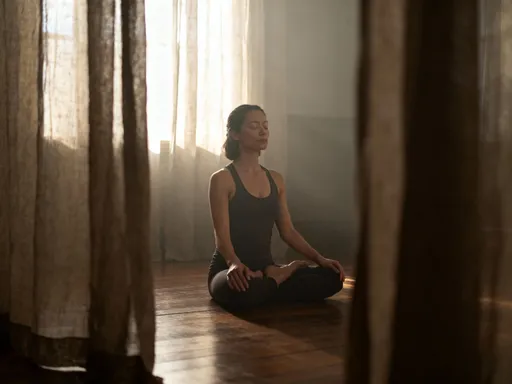
Yoga is often misunderstood as a series of poses designed for flexibility or physical fitness. In truth, the heart of yoga lies in meditation and breath awareness—practices that directly influence the nervous system and emotional state. When practiced with intention, yoga meditation goes beyond the mat, shaping how we respond to daily challenges, manage stress, and experience inner peace. The key lies in three core elements: mindful movement, pranayama (breath control), and stillness. Together, they create a powerful synergy that calms the mind and supports long-term well-being.
Scientific research confirms that regular yoga meditation reduces cortisol, the primary stress hormone. Lower cortisol levels are linked to improved sleep, better digestion, and enhanced cognitive function. More importantly, yoga activates the parasympathetic nervous system—the “rest and digest” mode—which counteracts the chronic “fight or flight” state many women live in due to work, parenting, or emotional responsibilities. When the body shifts into this relaxed state, healing becomes possible. This is not just a feeling of calm; it is a physiological reset that allows the body to repair and rebalance.
Real-life benefits are tangible. Women who practice yoga meditation consistently often report deeper sleep, fewer afternoon energy crashes, and a greater sense of emotional stability. They notice they react less impulsively to stress and feel more present with their families. These changes are not instant, but they accumulate over time. The practice teaches awareness—not just of the body, but of the mind’s patterns. A simple forward bend, when done with breath awareness, can become a moment of release. A five-minute seated meditation can create space between stimulus and response. This cultivated awareness is the foundation for lasting change.
Yet, even with these benefits, yoga alone may not address all layers of imbalance. For example, a woman may meditate daily but still feel a tightness in her chest or a recurring sense of frustration. This is where TCM’s perspective deepens the practice. Yoga calms the nervous system, but TCM helps identify the energetic root of discomfort—such as Liver Qi rising or Heart Fire excess—allowing for a more targeted and holistic approach. When breathwork is paired with an understanding of how it supports Lung Qi or calms the Shen (spirit), the practice becomes more meaningful and effective.
TCM’s View of Health: Energy Over Symptoms
Traditional Chinese Medicine operates on a fundamentally different model than Western medicine. Instead of isolating symptoms and assigning diagnoses, TCM views the body as an interconnected network of energy, organs, and rhythms. Health is not the absence of disease, but the smooth, balanced flow of Qi through the meridians. Each organ system has both a physical and energetic function, and each is linked to specific emotions, seasons, and times of day. This holistic lens allows TCM to address the root causes of imbalance, not just the surface expressions.
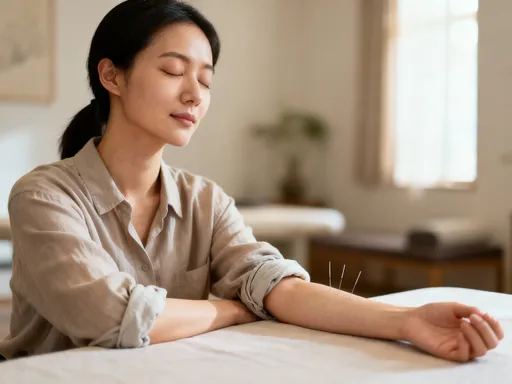
For example, in TCM, the Liver is responsible for the smooth flow of Qi throughout the body. It is closely tied to emotions like anger, frustration, and irritability. When Liver Qi becomes stagnant—often due to stress, emotional suppression, or irregular routines—it can manifest as headaches, menstrual discomfort, tight shoulders, or mood swings. A Western approach might treat the headache with medication or the mood swings with therapy, but TCM seeks to restore the flow of Liver Qi through acupuncture, herbal support, dietary changes, and lifestyle adjustments. The treatment is not aimed at the symptom, but at the underlying pattern.
Similarly, the Spleen in TCM governs digestion and the transformation of food into energy. Spleen Qi deficiency, often caused by overthinking, irregular eating, or excessive worry, can lead to fatigue, bloating, poor concentration, and a tendency to feel overwhelmed. Again, the focus is not on managing fatigue with stimulants, but on strengthening the Spleen’s function through warm, nourishing foods, regular routines, and practices that calm the mind. This pattern-based approach allows for personalized care that evolves with the individual’s needs.
One of the most valuable aspects of TCM is its emphasis on daily rhythms. The body follows a 24-hour organ clock, where each organ system is most active during a two-hour window. For instance, the Liver is most active between 1 and 3 a.m., which is why women with Liver Qi stagnation may wake during this time. The Kidneys, associated with vitality and willpower, are strongest between 5 and 7 p.m., making it an ideal time to support their energy. By aligning habits with these natural cycles, women can enhance their well-being in subtle but powerful ways—such as eating a warm breakfast to support Spleen Qi or winding down before 11 p.m. to honor Gallbladder and Liver detoxification.
Where Yoga and TCM Align
At first glance, yoga and Traditional Chinese Medicine may seem like distinct traditions—one from India, the other from China. Yet, when examined closely, their philosophies and practices reveal striking parallels. Both view the body as an energetic system, not just a physical structure. Both emphasize balance, flow, and harmony. And both see health as a dynamic process, not a fixed state. These shared principles create a natural synergy, making their integration not only possible but deeply effective.
One of the most compelling overlaps is between yoga’s chakras and TCM’s meridians. While chakras are energy centers along the spine and meridians are pathways of Qi, both systems describe how energy moves through the body and influences physical and emotional health. For example, the heart chakra (Anahata) in yoga is associated with love and compassion, much like the Heart meridian in TCM, which governs the spirit (Shen) and emotional clarity. Practices that open the heart space—such as camel pose or cow face pose—can support both the heart chakra and Heart Qi, promoting emotional openness and inner peace.
Another alignment is seen in the effect of specific yoga poses on organ systems. Forward folds, such as seated forward bend (Paschimottanasana), have a calming, introspective quality that mirrors TCM’s approach to sedating rising Liver Yang—a common pattern in women who feel irritable, overheated, or prone to headaches. These poses encourage inward focus and relaxation, helping to ground excess energy. Similarly, twists support the flow of Qi in the digestive organs, aligning with TCM’s emphasis on Spleen and Stomach health. A simple spinal twist can aid digestion, reduce bloating, and clear mental fog—all in line with TCM principles.
Breath awareness, central to yoga meditation, also plays a vital role in TCM. The Lungs govern Qi and are deeply affected by grief and sadness. Slow, deep diaphragmatic breathing—common in yoga—strengthens Lung Qi and promotes emotional release. Practices like alternate nostril breathing (Nadi Shodhana) balance the left and right hemispheres of the brain, mirroring TCM’s goal of harmonizing Yin and Yang. When breath becomes a bridge between body and mind, it supports both systems’ vision of holistic health. These connections are not coincidental; they reflect a universal understanding of the human body as an integrated, living ecosystem.
Building a Unified Practice: Simple Daily Shifts
Integrating yoga and TCM does not require drastic changes or complex rituals. The most sustainable transformations come from small, intentional habits that align with natural rhythms and personal needs. The goal is not perfection, but consistency and awareness. By making simple adjustments to daily routines, women can create a practice that supports both physical vitality and emotional balance.
Morning is an ideal time to set the tone for the day. Instead of rushing into emails or household tasks, a gentle yoga sequence can awaken the body and support Qi flow. Poses that stretch the sides of the body—such as extended side angle or cat-cow—open the Liver and Gallbladder meridians, which are most active in the early hours. Pairing these movements with deep, slow breaths enhances their effect, helping to release overnight stagnation and prepare the mind for clarity. A warm cup of ginger tea afterward further supports Spleen Qi, warming the digestive system and boosting energy.
In the evening, the focus shifts to restoration. Yin yoga, with its long-held, passive poses, is particularly effective for nourishing Yin energy and supporting organ systems. Poses like butterfly, supported bridge, or child’s pose can be held for 3–5 minutes, allowing deep release in connective tissues and meridians. Practicing during the Kidney’s peak time (5–7 p.m.) can help replenish vitality, especially for women who feel drained by the end of the day. Adding a few minutes of breath meditation—focusing on the lower abdomen—further strengthens Kidney Qi and calms the Shen.
Diet is another powerful point of integration. TCM emphasizes eating warm, cooked foods that are easy to digest, especially for women with Spleen Qi deficiency. Pairing this with mindful eating—chewing slowly, avoiding distractions—mirrors yoga’s principle of presence. A simple meal of steamed vegetables, brown rice, and miso soup, eaten in silence or with gratitude, becomes a form of moving meditation. Over time, these small choices build a foundation of strength and resilience.
Listening to Your Body: The Heart of Health Consciousness
At the core of both yoga and TCM is the practice of listening—to the body, the breath, the emotions. This is not about fixing or changing, but about observing with kindness and curiosity. Many women spend years ignoring their body’s signals, pushing through fatigue, suppressing emotions, or following external rules about what they “should” do. The union of yoga and TCM invites a different relationship—one based on trust and respect.
Body scans, a common tool in yoga, can be adapted to tune into Qi flow. Lying down quietly, a woman might notice areas of tightness, warmth, or numbness—clues to where Qi may be blocked or deficient. Journaling after practice can reveal patterns: how certain poses affect mood, how diet influences energy, or how sleep quality shifts with routine changes. These observations are not judgments, but data points in a personal journey of discovery.
This awareness fosters a deeper connection with oneself. Instead of reacting to stress with frustration, a woman might recognize it as rising Liver Qi and respond with a few minutes of deep breathing or a gentle stretch. Instead of reaching for coffee when tired, she might consider whether her Kidney Qi needs rest or her Spleen Qi needs nourishment. These small acts of attention build confidence and self-trust. Over time, the body becomes a trusted guide, offering wisdom that no app or expert can provide.
The goal is not to follow a rigid system, but to cultivate a living, responsive practice. Some days may call for active movement; others for stillness. Some seasons may require more warming foods; others, cooling ones. This flexibility—rooted in awareness—is the essence of true health. Both yoga and TCM agree: healing is not about control, but about harmony.
Long-Term Balance, Not Quick Fixes
Real well-being is not achieved through short-term diets, intense workouts, or weekend retreats. It is built through daily choices, consistent habits, and a compassionate attitude toward oneself. The integration of yoga and TCM is not a quick fix; it is a lifelong journey of learning, adjusting, and growing. It requires patience, especially in a culture that values speed and visible results.
Women who embrace this path often find that progress is subtle. Energy improves not in a sudden burst, but in a steady rise. Sleep deepens gradually. Emotional resilience builds over months, not days. This slow unfolding is not a sign of failure—it is a sign of authenticity. The body heals at its own pace, and true balance emerges when we stop forcing and start aligning.
It is also important to release the idea of perfection. Some days, practice will feel effortless; others, it may feel like a struggle. This is normal. The key is consistency, not intensity. Even five minutes of breath awareness or a single stretch can maintain connection. Over time, these moments accumulate, creating a foundation of stability that supports all areas of life.
By combining yoga’s mindfulness with TCM’s holistic lens, women move beyond symptom management to proactive well-being. Health becomes not just the absence of illness, but the presence of vitality, clarity, and joy. It is a state of being where the body feels light, the mind feels clear, and the heart feels at peace. This is not a destination, but a way of living—one that honors the wisdom of ancient traditions and the uniqueness of each individual.
True wellness isn’t about mastering poses or following strict diets—it’s about awareness. When yoga meditation meets TCM, we gain a richer, more complete picture of health. This isn’t a shortcut, but a lifelong journey of listening, adjusting, and growing. The body speaks—if we learn to pay attention, it tells us exactly what we need.